**The Dangers of Chinch Bug Infestation**
In the world of agriculture, pest management is a crucial aspect of crop protection. Among the various pests that can infest crops, chinch bugs and false chinch bugs are two of the most significant threats. To make informed management decisions, it’s essential to know how to identify these insects and understand their differences. **Identifying Adult Chinch Bugs and False Chinch Bugs**
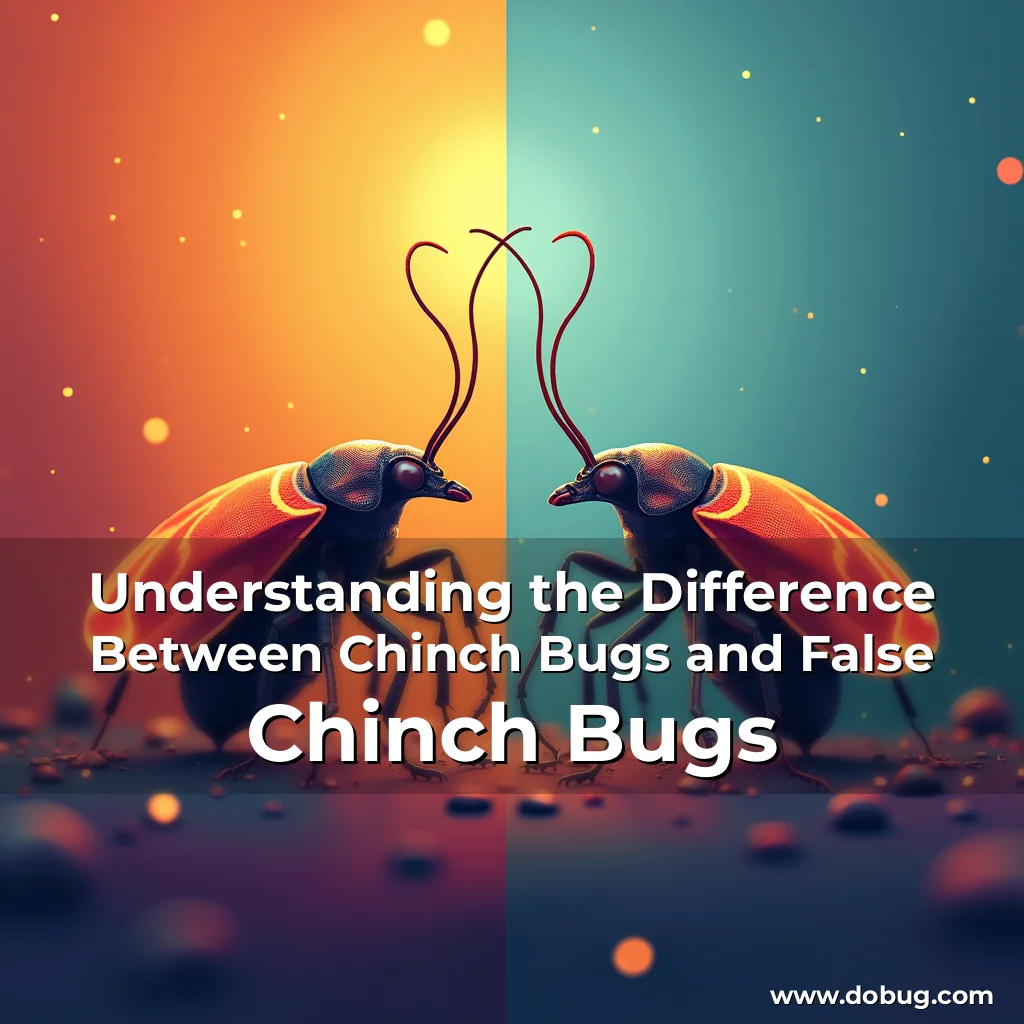
Adult chinch bugs are less than ¼ inch long, with black bodies and white wings that are folded over their backs. Two dark, triangular markings are present near the center of the wings, creating a distinctive “X” mark (Figure 1). Adult false chinch bugs are very similar in appearance but are smaller, with brownish-gray bodies and clear wings that lack a distinct “X” mark (Figure 2).
- Immature chinch bugs are bright red after hatching, darkening to black as they go through a series of five molts.
- Immature false chinch bugs are grayish-brown, never bright red, and lack the white band across their bodies.
**Distinguishing Between Chinch Bug and False Chinch Bug Feeding Symptoms**
When chinch bugs feed, digestive enzymes are injected into plant tissue, causing it to break down and discolor. Reddish spots are often present at chinch bug feeding sites. Heavy chinch bug feeding can also cause stunting, wilting, and necrotic lesions on plants. On the other hand, false chinch bug feeding usually has little effect on plants, but extreme numbers can cause wilting and death.
| Feeding Symptoms of Chinch Bugs | Feeding Symptoms of False Chinch Bugs |
| Reddish spots and plant discoloration | Wilting and death in extreme cases |
**Proactive Chinch Bug Management**
To avoid the devastating effects of chinch bug infestation, it’s crucial to be proactive about management. Think about chinch bug management before wheat is harvested. Simply relying on rescue treatments for young sorghum fields is not recommended. If possible, avoid planting sorghum adjacent to wheat, particularly if the wheat stand is thin and stressed.
- Scout wheat fields for chinch bugs before harvest to estimate the risk to newly planted sorghum fields.
- Use a trap crop of sorghum between the wheat and sorghum fields to capture migrating chinch bugs.
- Follow-up sprays may be needed if the local chinch bug population is high.
**Additional Management Tips**
Planting time insecticides and seed treatments can provide some early protection for young sorghum, but their effectiveness deteriorates beyond a few weeks. Weekly scouting during the growing season is also essential. Plants that are a foot tall and all the way through flowering can be damaged by 50 chinch bugs per plant.
“Chinch bug management is critical to protecting sorghum fields from damage,” says Jeff Whitworth, K-State Extension Entomologist.
news is a contributor at DoBug.com. We are committed to providing well-researched, accurate, and valuable content to our readers.
You May Also Like